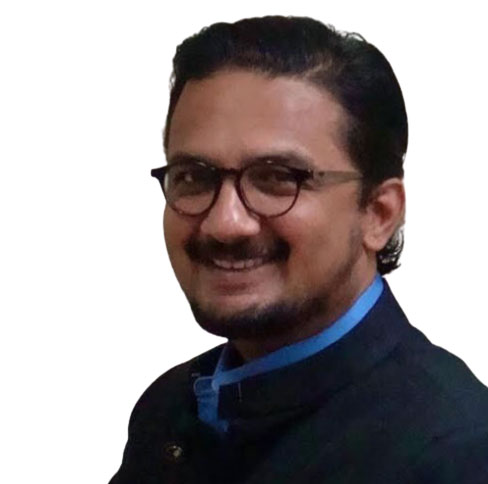
Sustainability had always been my compass. I had worked on net-zero water and net-zero energy, each teaching me new ways to think about resources. But one frontier still stood unexplored: net-zero waste. What happens to the mountains of material we discard? How do we bring order and accountability to something so fragmented?
The Climate Corps fellowship became my doorway into this challenge. My host was Mahindra Lifespaces, India’s first real estate developer to commit to net-zero waste across its projects. For me, it wasn’t just a placement—it was a chance to explore a dimension of sustainability I had never stepped into.
What made the journey even more meaningful was the leadership I witnessed. Dr. Sunita, who guided the fellowship, carried her passion for waste management beyond office walls, into daily life. That quiet consistency set the tone for everything that followed and reminded me that sustainability is as much about practice as it is about policy.
Piecing Together the Puzzle
My first task was daunting: the data on waste from 29 sites, spanning more than seven years and covering over 25 core materials. Each entry represented a story—goods coming in, waste going out. Mapping this “gate-in and gate-out” process was like piecing together a puzzle with missing parts. It demanded not just technical rigour but patience, because every inconsistency or gap in the data was a clue to inefficiencies hidden in the system.
But data alone wasn’t enough. We needed a framework, something to guide both today’s decisions and tomorrow’s practices. That’s how India’s first waste management handbook for real estate took shape. It pulled together strategies, SOPs, state and national regulations, pollution control board requirements, green building compliance, and Mahindra’s net-zero commitments into a single document. Not as a static manual, but as a living tool—future iterations will even embed QR codes at each construction stage, making protocols accessible in real time for those on the ground.
Where the Gaps Showed
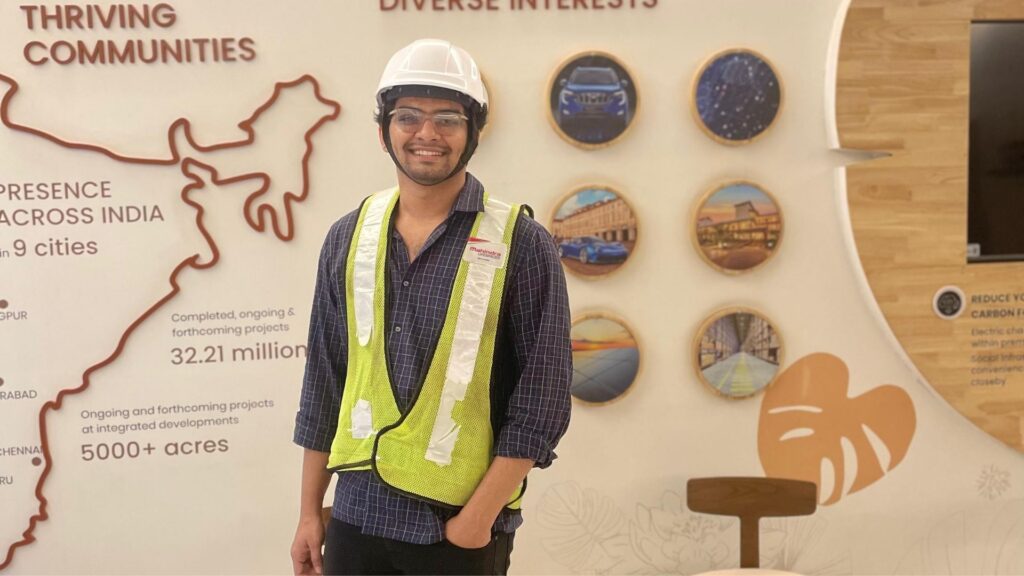
The field revealed its own challenges. Construction sites are complex, and waste management practices often felt fragmented. Data collection was inconsistent, sometimes unreliable. These gaps could have easily slowed us down—but instead, they became the spark for innovation.
We brought project teams, site engineers, and planning staff into the process, surfacing the very real hurdles they faced and co-creating solutions together. Out of these discussions emerged the idea of Data Champions and Sustainability Champions—roles that could ensure accuracy at the site level while enabling comparisons across projects.
A scalable dashboard was also piloted to help visualize waste and material flows, giving decision-makers a clear picture of trends and performance. And with QR-based SOPs, the idea was simple but powerful: protocols shouldn’t sit in files, they should live where the work happens.
These interventions were important, but the real breakthrough lay in the cultural shift. Engineers, planners, and site staff began to see waste management not as a burden of compliance, but as a shared responsibility.
What Impact Really Means
Looking back, I realised the fellowship wasn’t just about designing systems—it was about enabling people and processes to work better together. The Mahindra Lifespaces team is deeply motivated, and with more streamlined systems, I believe their waste management processes can scale and set a benchmark for the industry.
The handbook will be central to this future. Once updated with QR codes and combined with the roles of Data and Sustainability Champions, it can bring consistency and reliability to data across sites. More than that, it can become a model for the entire real estate sector: practical, compliant, and forward-looking.
Waste as a Resource
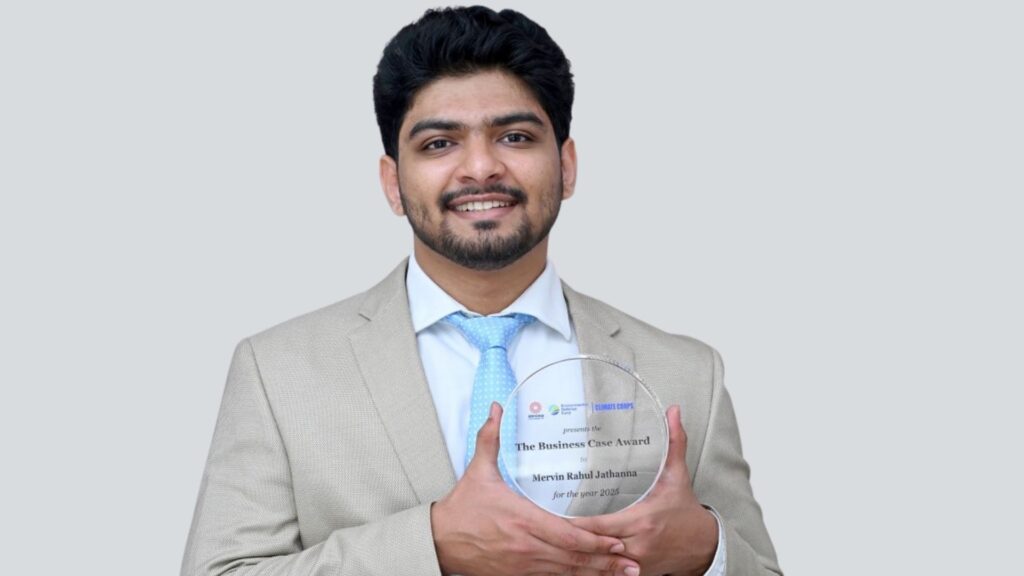
This fellowship also gave me a chance to directly engage with mandates, regulatory frameworks, and compliance pathways—elements that will shape the future of net-zero waste in India. It pushed me to think about how large organizations can balance the rigidity of compliance with the creativity of innovation.
Personally, this journey sharpened my skills in data-driven sustainability and broadened my understanding of what systems change really looks like. More importantly, it deepened my conviction that waste is not a byproduct—it is a resource waiting to be managed wisely.